Howdy Pumpkin Embroidery Design Review
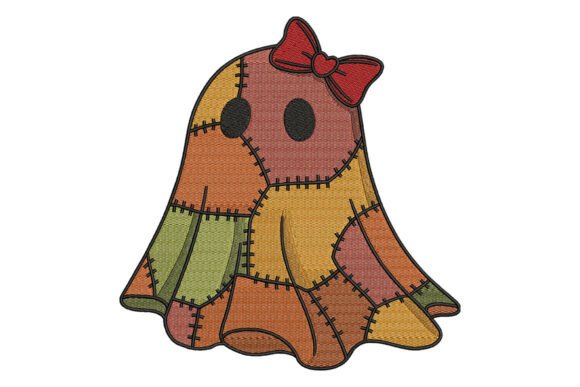
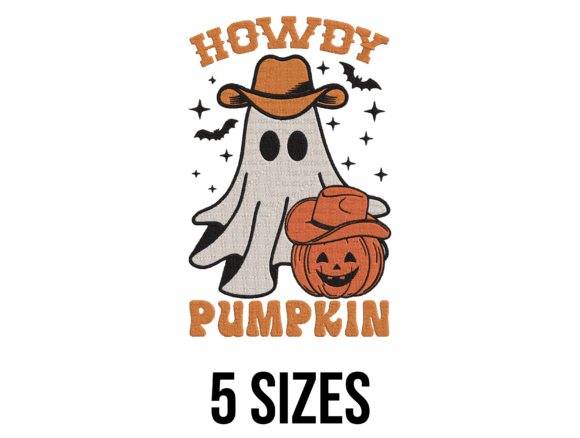
As an experienced embroidery designer who has spent years refining the art of converting digital concepts into tangible, high-quality stitched goods, I approach every new asset with a critical eye. When evaluating a design for small business merchandise and branded patch use, the goal is never just decoration; it is about brand equity, durability, and professional presentation. Recently, I examined the Howdy Pumpkin Embroidery Design, a piece described as bringing spooky fun to Halloween stitching with a cute ghost and pumpkin wearing cowboy hats. This review analyzes how this specific design performs in real-world commercial applications, from boutique apparel to staff uniforms.
First Impressions: Personality and Visual Impact
The initial assessment of Howdy Pumpkin Embroidery Design reveals a distinct personality that bridges the gap between rustic charm and playful modernity. The concept of a ghost and pumpkin sporting cowboy hats immediately suggests a friendly, approachable aesthetic rather than a dark or intimidating one. For small business owners looking to humanize their brand, this design offers a perfect blend of seasonal relevance and unique character.
In the context of brand identity, the design feels handmade yet polished. It avoids the generic clip-art look often found in low-quality digitizing. Instead, it projects a sense of creativity and care that resonates well with customers who value artisanal quality. Whether used on a bakery apron or a florist's tote bag, the visual weight of the cowboy theme adds a layer of narrative to the product. It signals that the business behind the item is fun, attentive to detail, and willing to embrace a bit of whimsy without sacrificing professionalism.
Real-World Application for Small Business Merch
The true test of any machine embroidery design lies in its versatility across different product categories. Howdy Pumpkin Embroidery Design demonstrates strong potential for various small business merch applications. Its balanced composition makes it an excellent candidate for embroidered patches intended for sale as standalone accessories or as accents on denim jackets and beanies.
For service-based businesses like cafés or bakeries, this design serves as an ideal focal point for apron embroidery. Imagine a barista wearing a canvas apron featuring this cheerful duo; it creates an instant conversation starter and reinforces a welcoming atmosphere. Similarly, for retail shops selling tote bag designs, the design provides a sturdy, recognizable mark that withstands the wear and tear of daily use. It is also highly effective as a chest logo accent on work shirts or as a sleeve detail on promotional hoodies.
Digital creators and Etsy sellers will find particular value in using this as a digital embroidery file for custom orders. Clients often seek unique items that reflect specific themes, and a Halloween-specific design allows for targeted marketing campaigns. The design works well as a product packaging accent, where a small version can be stitched onto gift tags or fabric seals, elevating the unboxing experience and enhancing customer trust through visible craftsmanship.
Strategic Placement and Brand Consistency
When integrating Howdy Pumpkin Embroidery Design into a broader brand strategy, consistency is key. The design should complement existing assets without overpowering them. If your brand uses a minimalist color palette, the thread colors chosen for this design must align with those standards to maintain visual consistency. Conversely, if your brand embraces bold, eclectic styles, this design can serve as a hero element.
The playful nature of the ghost and pumpkin helps drive buyer engagement. In a crowded marketplace, a design that evokes emotion—whether it is nostalgia for autumn or delight at the quirky cowboy theme—creates a stronger connection than standard text-only logos. This emotional resonance translates directly to perceived product value, allowing businesses to command higher prices for customized items.
Critical Considerations for Production
While the design is promising, a professional review must address potential pitfalls. Not all surfaces are created equal, and Howdy Pumpkin Embroidery Design requires careful consideration regarding placement and material selection.
Small Patch Sizes and Cap Fronts: If you intend to produce small patches or apply the design to the curved front of a cap, you must scrutinize the stitch density and fine details. Curved surfaces can distort complex imagery, and tiny lettering or thin outlines may become illegible when shrunk down. Always verify the hoop size required for the smallest intended application to ensure the design remains clear.
Fabric Texture and Dark Uniforms: The visibility of the design depends heavily on the substrate. On textured fabrics like heavy canvas or bouclé, the definition of the cowboy hats might soften. Furthermore, on dark uniforms, the contrast of the thread colors is paramount. If the original design relies on light threads against a dark background, ensure the underlay and fill stitches are sufficient to prevent show-through or dullness.
Wash Durability: For items that require frequent washing, such as kitchen aprons or work shirts, check the stitch density. High-density areas can cause puckering over time if not properly stabilized. Ensure the design utilizes efficient running stitches and adequate pull compensation to maintain its shape after multiple wash cycles.
Practical Designer Notes for Commercial Use
Before committing to a full production run, several technical steps are non-negotiable for any serious commercial embroidery project. First, always test the design in black and white first. This isolates the structure and flow of the stitches from the distraction of color, revealing any spacing issues or weak points in the digitizing.
Next, create a printable mockup for client approval. Showing a realistic representation of how the design sits on a specific garment helps manage expectations and prevents costly rework. Review thread color contrast carefully; what looks good on a screen may not translate perfectly to polyester or cotton blends. Inspect the spacing between elements to ensure they do not crowd each other, which can lead to thread breaks during machine operation.
Confirm the stabilizer type needed for your target fabric. Heavy stabilizers are often required for stretchy materials like jersey to prevent distortion, while lighter options suffice for stable wovens. Finally, confirm commercial licensing before business use. Ensure you have the legal right to sell products featuring this design, especially if you plan to offer it as part of a subscription or bulk order service.
Conclusion
The Howdy Pumpkin Embroidery Design stands out as a versatile and engaging asset for businesses looking to add a touch of seasonal flair to their inventory. By understanding its strengths in creating brand recognition and its limitations regarding small-scale application, designers and shop owners can maximize its potential. Whether used for custom apparel, branded patches, or handmade product labels, this design offers a solid foundation for profitable and visually appealing embroidery projects. With proper testing and attention to technical details, it can become a signature element of your small business's seasonal collection.