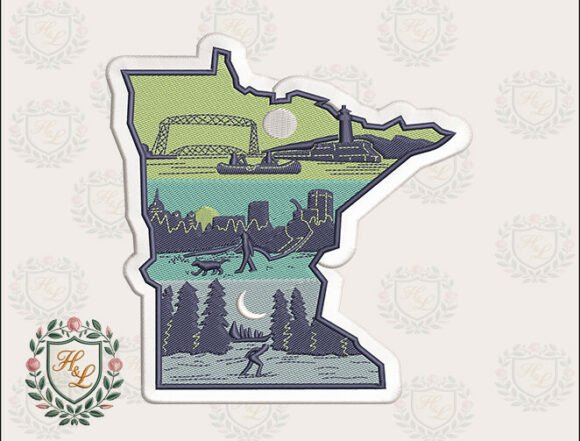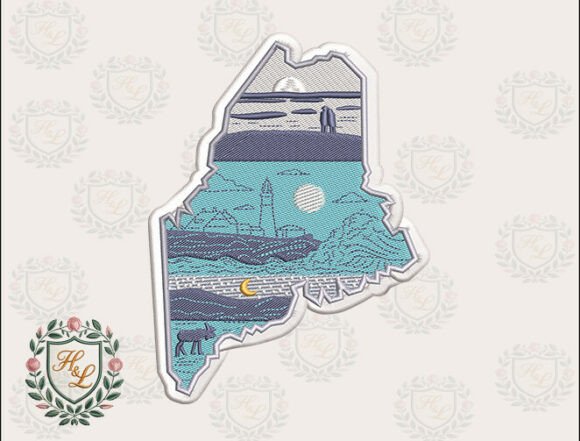
Layers of Maine Embroidery Files
As an experienced embroidery designer who has spent years refining designs for small business merchandise and branded patches, I approach every new digital file with a critical eye. The difference between a design that simply looks good on a screen and one that translates into a high-quality finished product often comes down to stitch density, appliqué construction, and overall visual weight. When I first encountered Layers of Maine Embroidery Files, the description immediately caught my attention as a high-quality digital appliqué design intended for shirts, tote bags, pillows, and festive decorations. This suggests a piece that is built for texture and dimension, which are crucial elements when creating professional custom apparel.
First Impressions: A Design Built for Brand Storytelling
The title "Layers of Maine" evokes a specific aesthetic that resonates deeply with the North American market. It feels rustic yet premium, suggesting a connection to nature, craftsmanship, and heritage. For a small business owner, this is not just a graphic; it is a narrative tool. The mention of "appliqué" in the product description indicates that this design likely utilizes fabric layers rather than just thread, adding a tactile quality that elevates the perceived value of the item. In the world of handmade products and boutique merchandise, this tactile depth can be the deciding factor for a customer choosing your brand over a competitor's mass-produced goods.
When reviewing Layers of Maine Embroidery Files, the initial thought is that this design possesses a friendly and bold personality. It does not appear to be overly delicate or fleeting. Instead, it seems designed to stand up against the rigors of daily wear and frequent washing. For brands in the food and beverage sector, such as cafés and bakeries, or those in the retail space like florists and pet brands, having a logo or accent that conveys stability and warmth is essential. The design promises to bring creative embroidery projects to life, but the true test lies in how it performs on actual garments and accessories.
Real-World Application for Small Business Merchandise
The versatility of Layers of Maine Embroidery Files makes it a strong candidate for a wide array of commercial applications. Imagine a local café wanting to brand their staff uniforms. An embroidered patch featuring this design on a chest pocket or the back of a cap could instantly communicate a sense of place and pride. Similarly, for a boutique selling handmade goods, using this design on tote bags serves as a walking advertisement. Tote bag designs require durability and clear visibility, and an appliqué style ensures the image remains crisp even after multiple uses.
I also see significant potential for this file in the realm of event merch and customer gifts. Whether it is a craft business asset for an Etsy seller or a promotional item for a creative studio, the layered look adds a level of sophistication that simple flat stitching cannot match. For apron embroidery, which is common in bakeries and florist shops, this design could serve as a focal point that enhances the wearer's professional presentation. Furthermore, as a branded product add-on, it could be used on packaging accents or labels, creating a cohesive visual identity across all touchpoints of the customer experience.
Evaluating Performance on Specific Garments
When considering where to place Layers of Maine Embroidery Files, the surface geometry matters immensely. On flat surfaces like pillow covers or the front of a work shirt, the design will likely perform beautifully. However, for cap embroidery, the curvature of the visor requires careful consideration. Appliqué designs can sometimes struggle on highly curved surfaces if the backing isn't sufficient, potentially causing puckering or distortion. Similarly, while sleeve details are trendy, they must be sized correctly to avoid looking cluttered on narrower fabric panels.
For embroidered patches intended for iron-on or sew-on application, the design needs to hold its shape without excessive bulk. If the stitch density is too high, the patch may become stiff and uncomfortable against the skin. Conversely, if the density is too low, the fabric backing might show through, ruining the clean look required for professional branding. This balance is critical for ensuring that the final product maintains the visual consistency expected by modern consumers.
Strategic Considerations and Potential Pitfalls
While the design appears robust, there are areas where caution is advised. Small patch sizes present a particular challenge. If the original design contains intricate details or tiny lettering, these elements may disappear when scaled down for a lapel pin or a small chest logo. High stitch density can also be problematic on textured fabrics or dark uniforms, where the underlying material might peek through the threads. In these cases, the contrast of the thread colors becomes paramount. Without proper color selection, the "layers" effect may be lost, making the design look muddy rather than dimensional.
Items that need frequent washing, such as staff aprons or heavy-duty work shirts, require a design that can withstand abrasion. Appliqué edges must be secured tightly to prevent fraying. Additionally, designers should be mindful of the hoop size limitations. If the design exceeds the standard hoop dimensions available on home or commercial machines, it may require split-digitizing or re-hooping, which can introduce alignment errors. Always verify the technical specifications before committing to a large production run.
Impact on Brand Identity and Customer Trust
In the competitive landscape of small business merch, the quality of your embroidery speaks volumes about your brand. A well-executed Layers of Maine Embroidery Files project signals professionalism and attention to detail. Customers associate high-quality embroidery with durability and value, which fosters trust and encourages repeat purchases. When a customer sees a perfectly stitched logo on a tote bag or a uniform, it reinforces the idea that the business cares about quality. This visual consistency helps in building a recognizable brand identity that stands out in a crowded marketplace.
Furthermore, the "handmade" presentation associated with appliqué designs appeals to buyers who value artisanal quality. For Etsy sellers and craft business owners, this distinction can justify a higher price point and enhance buyer engagement. The design acts as a tangible representation of the brand's story, turning a simple product into a meaningful keepsake.
Essential Designer Notes for Production
Before integrating Layers of Maine Embroidery Files into your commercial workflow, follow these practical steps to ensure success:
- Test in Black and White: Convert the design to grayscale to check the contrast and legibility of the layers without relying on color.
- Check Small Patch Sizes: Simulate the design at 100% scale on a small patch to ensure no details are lost.
- Review Thread Color Contrast: Ensure the chosen thread colors pop against the base fabric, especially on dark uniforms.
- Inspect Spacing: Verify that there is adequate spacing between stitches to prevent the fabric from pulling or warping.
- Confirm Hoop Size: Match the design dimensions to your machine's hoop capabilities to avoid mid-stitch interruptions.
- Test on Real Fabric: Run a sample on the actual material you intend to use, including the appropriate stabilizer.
- Create a Mockup: Use a printable mockup to visualize the design on the final product before cutting fabric.
- Compare Assets: Place the design beside other brand assets to ensure visual harmony across your marketing materials.
- Verify Licensing: Confirm commercial licensing terms before using the design on items for sale.
If exact stitch counts, file formats, or specific license terms are not clearly included in the product description, you must contact the creator or check the documentation thoroughly. Do not guess when it comes to production costs and time. By treating Layers of Maine Embroidery Files with the same rigor as any other critical design asset, you can ensure that your small business projects achieve the professional finish they deserve.