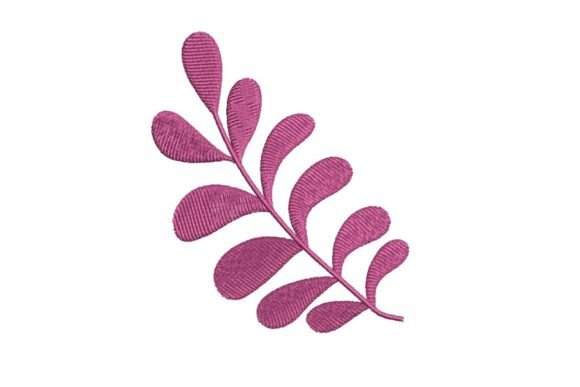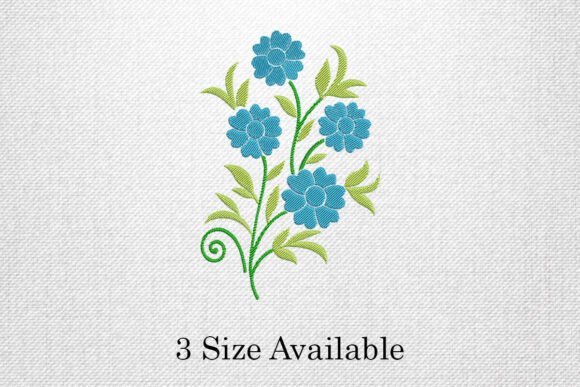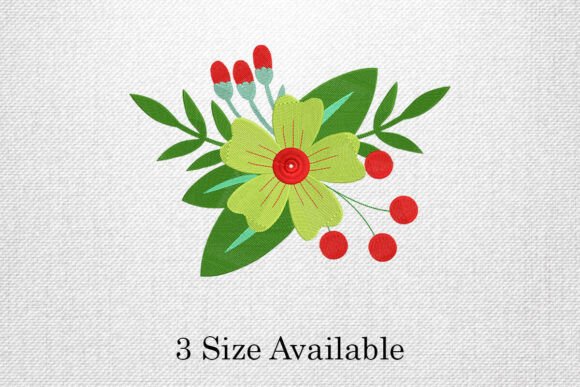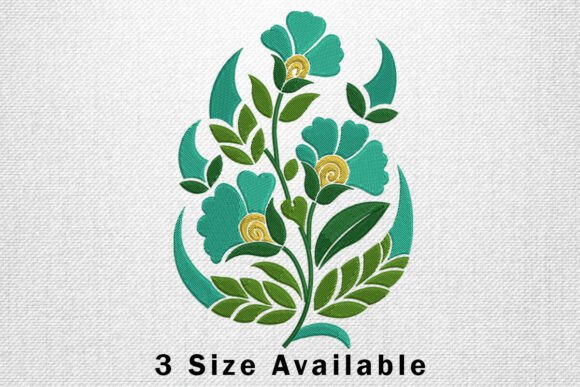
Never Too Many Plants Embroidery Design Review
When I first laid eyes on the Never Too Many Plants Embroidery Design, my mind immediately went to the bustling energy of a weekend craft fair. As an experienced designer who has spent countless hours curating designs for handmade markets, I know that the difference between a piece that sits on a table and one that sells out in minutes often comes down to immediate visual appeal and practical production value. This design falls squarely into the "whimsical" category, offering a playful charm that feels right at home in modern farmhouse or boutique-style booths.
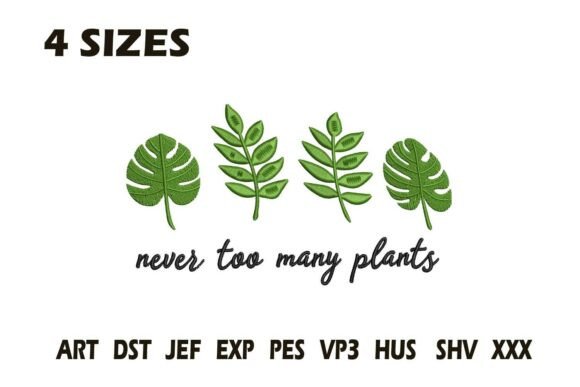
The title itself is a conversation starter. In a sea of generic floral patterns, the phrase Never Too Many Plants strikes a chord with the green-thumb enthusiasts who frequent these markets. It is not just a single flower motif; it is a statement piece that suggests personality. For an Etsy seller or a booth owner, this design offers more than just decoration; it offers a relatable sentiment that customers want to wear or display. Whether you are looking to create a tote bag design or a custom apron embroidery project, this file promises to bring a bit of life to your inventory.
First Impressions: The Booth Display Factor
Imagine setting up your table for a Saturday market. You have rows of folded aprons, stacks of canvas totes, and neatly arranged tea towels. Where does Never Too Many Plants Embroidery Design stand out? It excels as a focal point. The playful nature of the design catches the eye from across the aisle. It feels bold yet soft, making it approachable for a wide demographic.
For a craft fair product, visibility is everything. This design works exceptionally well when placed on high-visibility items like white or natural-colored tote bags and kitchen towels. The whimsical touch ensures that even from a distance, the texture of the stitches invites people to come closer. Unlike some dense, heavy designs that can look cluttered, this one likely maintains a lightness that appeals to buyers looking for something fresh and fun. It bridges the gap between rustic charm and modern minimalism, making it a versatile asset for any creative entrepreneur.
Product Versatility and Market Potential
One of the most critical factors for a digital embroidery file is its adaptability. Can it be used on multiple products without losing its impact? My assessment of Never Too Many Plants Embroidery Design suggests it is highly versatile. Here is how it performs across various handmade categories:
- Tote Bags and Market Bags: These are staple items for any booth. A large, centered placement on a canvas tote allows the design to breathe. It transforms a simple utility item into a statement accessory that shoppers are eager to purchase.
- Apron Embroidery: For the home cook or gardener, this design is perfect. Placing it on the bib of an apron creates a functional piece of art that sparks joy during use. It fits the narrative of the "plant mom" perfectly.
- Tea Towel Embroidery: Kitchen linens are high-margin items. The playful text and floral elements work beautifully here, adding a decorative touch to everyday utilities. These make excellent impulse buys for gift-givers.
- Embroidered Patches and Caps: If the design includes clean edges, it could be trimmed and applied as a patch on denim jackets or caps. However, this requires careful consideration of the stitch density and backing.
- Pillow Covers and Small Pouches: For smaller items like zippered pouches or pillow shams, the design needs to be scaled appropriately. It serves as a charming accent that elevates the perceived value of the finished product.
As a digital seller, creating printable mockups with this design is a breeze. The clear, distinct lines translate well to digital images, allowing you to showcase the design on various fabric textures in your online listings. This helps potential buyers visualize the final result before they even see the physical sample.
Production Realities and Practical Selling Points
While the aesthetic is strong, a professional must also consider the production process. When turning a digital file into a commercial embroidery product, efficiency is key. How easy is Never Too Many Plants Embroidery Design to stitch out repeatedly?
The design appears to balance detail with stitch count effectively. For batch production, consistency is vital. If the design features tiny details or very small lettering, it may require a smaller hoop size, which can slow down production on larger garments. Conversely, if it is too large, it might become difficult to manage on curved surfaces like baseball caps. I recommend checking the specific hoop size requirements provided by the file creator to ensure it fits your standard workflow.
Photography plays a huge role in selling handmade goods. This design's playful nature photographs well, especially under bright, natural light. The contrast between the thread colors and the fabric will determine how much "pop" the image has. On dark fabrics, you will need lighter or metallic threads to maintain clarity, whereas on light fabrics, darker threads will provide a striking definition. Always test your thread colors against your intended fabric palette before committing to a full run.
Careful Use Notes for Quality Control
To ensure your finished product looks premium, there are several areas where caution is necessary. Even the best designs can fail if the underlying mechanics are ignored.
- Dense Stitch Areas: Check for areas where the design is heavily stitched. Excessive density can cause puckering, especially on lightweight fabrics. If the design is too dense, it may feel stiff and uncomfortable to the customer, reducing its resale value.
- Small Details: Tiny petals or fine lines can get lost on textured fabrics like terry cloth towels or thick canvas. If you are using a rougher fabric texture, the design might lose its crispness. Test on scrap material first to see if the details hold up.
- Curved Surfaces: Applying this design to a cap or a rounded mug requires significant skill. The curvature can distort the stitching, making the text hard to read. For beginners, flat items like towels and tote bags are safer bets.
- Fabric Compatibility: Thick fabrics may require a heavier stabilizer to support the weight of the embroidery. Without proper stabilization, the design may shift or pull the fabric, ruining the look of the item.
Designer's Checklist for Success
Before you list this as a commercial embroidery product or put it on your craft fair table, follow these essential steps to guarantee quality:
- Test on Scrap Fabric: Never skip this step. Run a test on the exact fabric you plan to sell to check for tension issues and color matching.
- Check Thread Contrast: Ensure the thread colors chosen make the design legible and visually appealing against the background fabric.
- Review Spacing: Verify that the spacing between stitches is appropriate for the fabric type. Too close, and it looks muddy; too far, and it looks sparse.
- Confirm Hoop Size: Make sure the design dimensions fit within your machine's capabilities and the size of your product.
- Inspect Stitch Density: High density adds durability but can cause stiffness. Adjust if necessary for comfort.
- Use the Right Stabilizer: Select a stabilizer (cut-away, tear-away, or water-soluble) that matches the weight and drape of your fabric.
- Create a Real Mockup: Do not rely solely on digital renderings. Stitch a real sample to take photos and feel the texture.
- Compare Fabric Colors: Test different fabric shades to find the best combination that highlights the design's charm.
- Confirm Commercial Licensing: Before selling any items made with this embroidery file, ensure you have the correct license to produce them for profit.
In conclusion, the Never Too Many Plants Embroidery Design is a strong contender for any crafter looking to add a touch of whimsy to their shop. Its playful theme resonates with current trends, and its versatility allows for a wide range of applications, from Etsy seller listings to local market booths. By paying attention to the technical details of stitch density, stabilizer choice, and fabric selection, you can turn this digital asset into a high-quality, best-selling handmade product that customers will love.