Wildflower Book Embroidery: A Designer's Real-World Review
When I first opened the folder for Wildflower Book Embroidery, my immediate reaction wasn't about stitch counts or file formats. It was about the mood. There is a distinct warmth to this design that feels less like a generic clip-art image and more like a carefully curated scene from a favorite storybook. As someone who spends hours evaluating machine embroidery designs for both personal crafting and client work, I look for that specific spark that tells me a design will elevate a finished product rather than just filling space on a garment.
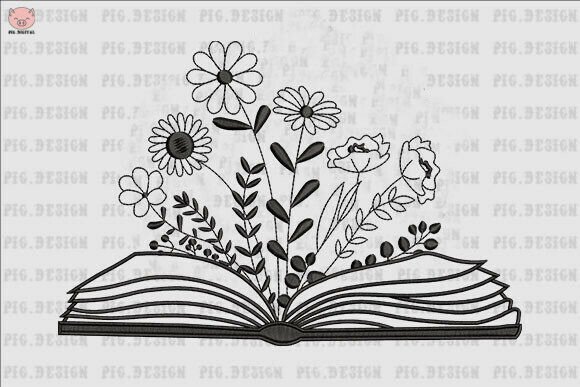
This design immediately suggests a narrative. It isn't just flowers; it is a collection of blooms resting against a structured element, likely a book spine or cover, creating a visual metaphor for knowledge, growth, and natural beauty. For embroidery designers and small business owners looking to add depth to their inventory, this kind of thematic cohesion is gold. It moves beyond simple decoration and offers a conversation starter for anyone receiving the item.
The First Stitch: Visual Personality and Design Integrity
The layout of Wildflower Book Embroidery strikes a balance between whimsy and structure. The floral elements appear to spill organically, suggesting a running stitch or delicate satin stitch work that would catch the light beautifully. In contrast, the "book" portion likely relies on a denser fill stitch to provide weight and grounding for the composition. This interplay of textures is crucial for high-end handmade products.
I often advise clients to consider the visual weight of a design before stitching. If the floral details are too fine relative to the book shape, they might get lost in the fabric texture. However, initial assessments suggest the scale is well-proportioned. The design has enough negative space to breathe, which prevents the final result from looking cluttered—a common pitfall when working with digital embroidery files that try to cram too much detail into a small area.
The color palette implied by the title and description invites creativity. Whether you choose soft pastels for a nursery project or vibrant hues for a summer tote, the design allows the thread colors to define the personality. This flexibility is essential for Etsy sellers who need to create variations of a single listing to keep their shop fresh without constantly designing new assets.
Real-World Application: From Tote Bags to Boutique Goods
To truly understand the value of this design, we have to look at how it performs in actual production scenarios. Imagine preparing a custom order for a local bookstore or a library event. Wildflower Book Embroidery fits perfectly on a canvas tote bag design. The durability of the stitches on heavy cotton canvas ensures longevity, while the aesthetic appeals directly to readers and stationery lovers.
Consider the back-to-school season. This is a prime time for Back To School themed merchandise. While many designs focus on pencils and backpacks, Wildflower Book Embroidery offers a softer, more artistic angle. It works exceptionally well on baby clothes, perhaps as a chest applique or a patch on a onesie. The combination of literature and nature resonates with parents who want meaningful, gentle imagery for their children. It transforms a standard piece of custom apparel into a keepsake.
For commercial embroidery projects, such as branded aprons for a cafe or kitchen towels for a home goods boutique, this design adds a touch of elegance. It elevates the perceived value of the item. When a customer holds a tea towel embroidered with a charming wildflower motif, they aren't just buying a cleaning cloth; they are buying a piece of art for their home. This emotional connection drives sales and fosters brand loyalty.
I also see potential in using this as an embroidered patch. The defined edges of the book element make it ideal for iron-on applications or sew-on patches that can be added to denim jackets, beanies, or backpacks. This versatility allows craft business owners to maximize the utility of a single embroidery file across multiple product lines.
Technical Considerations and Where to Proceed with Caution
While the design is promising, no embroidery project is without its challenges. The primary concern lies in the execution of fine details. If the wildflowers contain intricate petals or tiny centers, they may struggle on stretchy fabric or thin materials where the needle penetration could distort the weave. For these fabrics, a robust stabilizer is non-negotiable to maintain the integrity of the stitch density.
Another critical factor is the hoop size. If you attempt to stitch this design on a small surface, such as a baseball cap or a narrow cuff, the curvature of the hat might cause distortion, particularly in the central fill areas. Curved surfaces require careful tension management. I recommend testing the design on a scrap of the intended fabric first to ensure the machine handles the transition between the dense book section and the lighter floral sections smoothly.
Dense stitch areas can sometimes lead to puckering if the underlying fabric lacks stability. On dark fabrics, the thread contrast becomes vital. If the design includes white or light-colored threads, ensure they are thick enough to cover the background completely, or consider a backing layer to prevent show-through. Conversely, on light fabrics, the design should pop without appearing washed out.
Products that require frequent washing, like baby clothes or kitchen towels, demand a review of the thread colors and stitch types. Satin stitches on the edges of the flowers must be secure to prevent fraying over time. If the design relies heavily on long, loose stitches, it might not hold up as well in a commercial setting where durability is a key selling point.
Designer Notes for Professional Results
Before committing to a full production run, there are several practical steps every creative entrepreneur should take. First, always test the design on scrap fabric. This simple step reveals issues with stitch density and tension that mockups cannot predict. Check the thread color contrast by reviewing black and white mockups to ensure the design retains its definition without relying solely on color.
Confirm your hoop size matches the design dimensions. Using a hoop that is too small forces the fabric to stretch excessively, leading to misalignment. Inspect the small details closely; sometimes, what looks perfect on a screen can become muddy when stitched at 400% zoom. Compare the design on both light and dark fabric backgrounds to determine the best thread choices for your specific finished product.
Proper stabilization is another pillar of success. Depending on the fabric texture, you may need cut-away stabilizers for heavier items like sweatshirts or tear-away for lighter garments. Ensure the design works for both personal and commercial projects by verifying the licensing terms. Many digital product sellers overlook this, assuming a purchase grants unlimited commercial rights. Always confirm the license before selling small shop products or creating printable mockups for listings.
Finally, think about the presentation. How does Wildflower Book Embroidery look in a photo? High-quality photos of the finished product are essential for Etsy listings and social media marketing. The design should look crisp and professional, reinforcing trust in your brand. When customers see a well-executed embroidery project, they assume the quality of the entire product line is top-tier.
In conclusion, Wildflower Book Embroidery is more than just a decorative element; it is a versatile asset for any maker looking to infuse their work with character and charm. By understanding its strengths and respecting its technical limitations, you can create stunning personalized gifts, unique boutique branding, and memorable holiday embroidery pieces that stand out in a crowded market. Whether you are a hobbyist or a seasoned apparel decorator, this design offers a reliable foundation for building beautiful, tangible stories through thread.