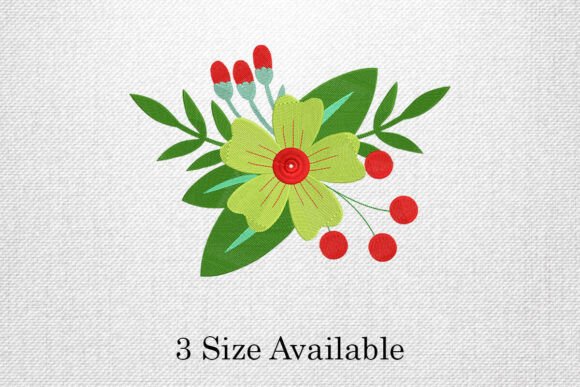
Blue Leaf Pattern Embroidery Design Review
As a professional embroidery designer who has spent years refining digital files for commercial production, I approach every new asset with a critical eye. When evaluating the Blue Leaf Pattern Embroidery Design, my focus shifts immediately from artistic appreciation to practical application. For small business owners, Etsy sellers, and apparel decorators, an embroidery file is not just a picture; it is a manufacturing instruction that directly impacts your bottom line. This review analyzes how this specific design performs when applied to real-world merchandise, branded patches, and customer-facing products.
First Impressions: Professionalism Meets Artistic Flair
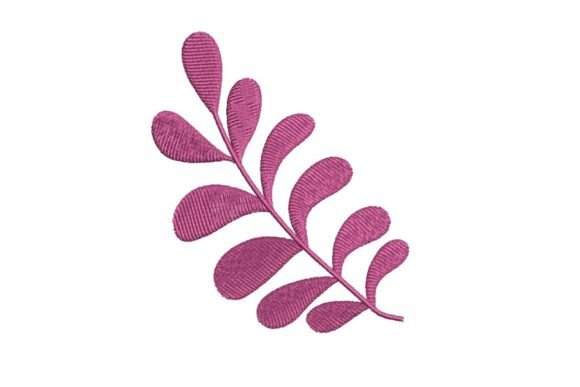
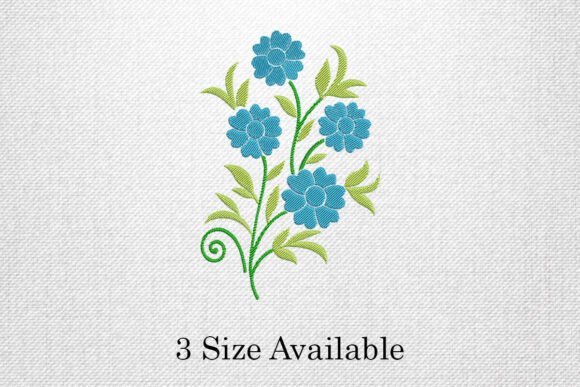
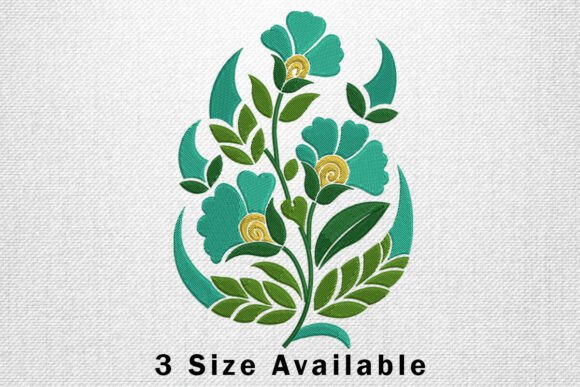
The moment you load the Blue Leaf Pattern Embroidery Design into your digitizing software, the visual personality becomes clear. The description highlights two symmetrical leafy motifs accented by a golden sun. From a brand identity perspective, this combination strikes a balance between organic warmth and structured elegance. It feels fresh and artistic without being overly ornate or cluttered. For a boutique, a café, or a handmade shop, this aesthetic suggests a brand that values quality and nature but maintains a polished, modern look.
The symmetry of the leaves offers a sense of stability and trust, which are crucial elements in building customer loyalty. The golden sun accent adds a touch of premium value, preventing the design from feeling too rustic or casual. Whether you are creating a logo for a florist or a decorative mark for a bakery, this design elevates the perceived value of the finished product. It sits comfortably in the "Single Flowers" category but transcends simple floral decoration to become a versatile brand asset.
Real-World Application: Small Business Merch and Patches
The true test of any machine embroidery design lies in its performance on actual garments and accessories. Let us imagine a scenario where a local coffee shop wants to launch branded merchandise. The Blue Leaf Pattern Embroidery Design could serve multiple purposes beyond a standard chest logo.
- Embroidered Patches: The symmetrical nature of the design makes it an excellent candidate for a sew-on patch. Applied to the sleeve of a denim jacket or the back of a cap, it creates a distinct badge of honor for staff members. The golden sun accent catches the light well, making the patch stand out against dark fabrics like navy or black.
- Tote Bag Designs: For crafters selling tote bags, this design offers a focal point that is neither too large nor too small. It fits perfectly on the front center panel, adding a sophisticated touch that appeals to eco-conscious consumers looking for high-quality reusable bags.
- Apron Embroidery: In a creative studio or a bakery, placing this design on the bib of an apron adds a professional finish. The blue tones contrast beautifully with white or cream canvas, while the sun motif provides a cheerful element for the work environment.
- Cap Embroidery: The compact, symmetrical layout allows for effective placement on the curved front of a baseball cap. However, care must be taken regarding the curvature of the fabric during stitching.
This versatility extends to event merch and customer gifts. A custom pillow cover featuring this pattern can serve as a high-end thank-you gift for corporate clients, reinforcing the brand's attention to detail. As a digital embroidery file, it integrates seamlessly into a broader collection of design assets, ensuring visual consistency across all your products.
Critical Considerations and Potential Pitfalls
While the design is promising, an experienced designer knows that perfection in the digital realm does not always translate to the physical world. There are specific scenarios where the Blue Leaf Pattern Embroidery Design requires careful handling.
If you intend to use this for a small patch size, you must verify the stitch density. Highly detailed outlines or tiny lettering (if added later) can crowd together on smaller dimensions, leading to a muddy appearance where individual stitches blend into one another. Similarly, when applying this to curved surfaces like cap fronts, the tension must be adjusted carefully to prevent puckering, especially around the central sun accent.
Fabric texture plays a significant role in the final outcome. On highly textured fabrics like heavy denim or thick wool, the fine details of the leafy motifs might get lost. Conversely, on slippery or stretchy materials, the stabilizer choice becomes paramount. If the design is used on dark uniforms, the thread color contrast is vital; ensure the blue and gold threads provide enough visibility against the background material. Furthermore, items that require frequent industrial washing may suffer if the stitch count is too high, potentially causing the fabric to distort over time.
Brand Identity and Customer Trust
In the competitive landscape of small business merch, the quality of your embroidery speaks volumes about your brand. A poorly executed design can signal cheapness, whereas a crisp, well-placed embroidered patch signals professionalism. The Blue Leaf Pattern Embroidery Design supports a narrative of artisanal quality and thoughtful design. When customers see a clean, consistent application of this motif on their purchases, it reinforces their decision to buy from you. It transforms a generic tote bag or shirt into a recognizable piece of your brand universe, increasing buyer engagement and fostering a sense of community among your clientele.
Practical Designer Notes for Production
Before committing to a full production run, follow these essential steps to ensure the Blue Leaf Pattern Embroidery Design meets your standards:
- Test in Black and White: Create a monochrome version of the design first. This helps you visualize the negative space and ensures the silhouette remains strong even without color information.
- Check Stitch Density: Review the file properties to ensure the stitch density is appropriate for the intended fabric. Avoid designs that are too dense for lightweight materials to prevent needle breakage or fabric damage.
- Verify Thread Colors: Confirm that the selected thread colors offer sufficient contrast. The golden sun should pop against the blue leaves and the background fabric.
- Inspect Spacing: Ensure there is adequate spacing between the leafy motifs and the edge of the hoop or patch border to prevent cutting issues.
- Confirm Hoop Size: Check the required hoop size to ensure it fits your available equipment and the garment area you intend to embroider.
- Test on Real Fabric: Never skip the sample run. Stitch the design on the actual fabric you plan to use to check for puckering, tension issues, and color accuracy.
- Use Proper Stabilizer: Select the correct stabilizer (cut-away, tear-away, or water-soluble) based on the fabric type to maintain the integrity of the design after washing.
- Create a Mockup: Generate a printable mockup for client approval before mass production. This allows stakeholders to visualize the final product and catch potential errors early.
- Compare with Other Assets: Place this design beside your other brand graphics to ensure it aligns with your overall visual identity.
- Confirm Commercial Licensing: Most importantly, verify that you have the proper commercial license to use this digital embroidery file for selling products. Unauthorized use can lead to legal complications.
By following these guidelines, you can maximize the potential of the Blue Leaf Pattern Embroidery Design for your custom apparel, branded patches, and promotional items. Remember that successful commercial embroidery relies on preparation as much as creativity. With the right setup, this design can become a cornerstone of your small business merchandise, enhancing your brand identity and delighting your customers with a touch of artistic excellence.